Be An American Citizen

3230097-0
Free speech, exercised both individually and through a free press, is a necessity in any country where the people are themselves free. Our Govern-ment is the servan[t] of the people…The President is merely the most im-portant among a large number of public servants. He should be supported or opposed exactly to the degree which is warranted by his good conduct or bad conduct, his efficiency or inefficiency in render-ing loyal, able, and disinterested service to the Na-tion as a whole. Therefore it is absolutely necessary that there should be full liberty to tell the truth about his acts, and this means that it is exactly necessary to blame him when he does wrong as to praise him when he does right. Any other attitude in an American citizen is both base and servile. To announce that there must be no criticism of the President, or that we are to stand by the President, right or wrong, is not only unpatriotic and servile, but is morally treasonable to the American public. Nothing but the truth should be spoken about him or anyone else. But it is even more important to tell the truth, pleasant or unpleasant, about him than about anyone else. [1]
– Teddy Roosevelt, 26th President of the United States of America, Sedition, A Free Press, and a Personal Rule, May 7, 1918.
Fact Check it, yo!
[1] Roosevelt, T. Roosevelt in the Kansas City Star: War-Time Editorials. Scholar’s Choice, Feb 17th, 2015. Page 149 in print. Retrieved from: http://www.theodore-roosevelt.com/images/research/rooseveltkansascitystar.pdf


The Brief History of Hollywood’s Affair with Politics

ronald-reagan-chimp

Ronald Reagan; Actor, chimp whisperer, and 40th President of the USA.

I’m not here to get political, but I am here to use history as a jumping off point to, well, make a point. Last night, in front of more than 20 million viewers [1], Meryl Streep accepted the Cecil B. DeMille Award for lifetime achievement at the Golden Globes and, I guess, had something to say about it.

I love you all. You have to forgive me, I have lost my voice in screaming and lamentation this weekend and I have lost my mind sometime earlier this year so I have to read.
Thank you, Hollywood Foreign Press. Just to pick up on what Hugh Laurie said, you and all of us in this room really belong to the most vilified segments of American society right now. Think about it: Hollywood, foreigners and the press.
But who are we and, you know, what is Hollywood, anyway? It’s just a bunch of people from other places. I was born and raised and educated in the public schools of New Jersey, Viola was born in a sharecropper’s cabin in South Carolina, came up in Central Falls,  R.I. Sarah Paulson was born in Florida, raised by a single mom in Brooklyn. Sarah Jessica Parker was one of seven or eight kids from Ohio, Amy Adams was born in Vicenza, Veneto, Italy and Natalie Portman was born in Jerusalem. Where are their birth certificates?
And the beautiful Ruth Negga was born in Addis Ababa, Ethiopia, raised in Lon — no, in Ireland, I do believe, and she’s here nominated for playing a small-town girl from Virginia. Ryan Gosling, like all the nicest people, is Canadian. And Dev Patel was born in Kenya, raised in London and is here playing an Indian raised in Tasmania. So Hollywood is crawling with outsiders and foreigners and if we kick them all out, you’ll have nothing to watch but football and mixed martial arts, which are not the arts.
They gave me three seconds to say this, so. An actor’s only job is to enter the lives of people who are different from us and let you feel what that feels like. And there were many, many, many powerful performances this year that did exactly that, breathtaking, compassionate work.
But there was one performance this year that stunned me. It sank its hooks in my heart, not because it was good, it was — there’s nothing good about it. But it was effective and it did its job. It made its intended audience laugh and show their teeth.
It was that moment when the person asking to sit in the most respected seat in our country imitated a disabled reporter, someone he outranked in privilege and power and the capacity to fight back. It, it kind of broke my heart when I saw it and I still can’t get it out my head because it wasn’t in a movie. It was real life. And this instinct to humiliate when it’s modeled by someone in the public platform, by someone powerful, it filters down into everybody’s life because it kind of gives permission for other people to do the same thing.
Disrespect invites disrespect. Violence incites violence. When the powerful use their position to bully others, we all lose. OK, go on with that thing. OK, this brings me to the press. We need the principled press to hold power to account, to call them on the carpet for every outrage.
That’s why our founders enshrined the press and its freedoms in our constitution. So I only ask the famously well-heeled Hollywood foreign press and all of us in our community to join me in supporting the Committee to Protect Journalists, ’cause we’re going to need them going forward and they’ll need us to safeguard the truth.
One more thing. Once when I was standing around the set one day, whining about something, we were going to work through supper or the long hours or whatever, Tommy Lee Jones said to me: “Isn’t it such a privilege, Meryl, just to be an actor?” Yeah, it is. And we have to remind each other of the privilege and the responsibility of the act of empathy. We should be very proud of the work Hollywood honors here tonight,
As my, as my friend, the dear departed Princess Leia, said to me once: “Take your broken heart, make it into art.”
Thank you, Foreign Press.

– Meryl Streep, 74th Golden Globes Awards, Jan 8th, 2017.  [2]

But while a significant portion of the population may wish that Hollywood would use its platform for something other than political pandering, I’m here to remind everyone that this isn’t the first provocative speech nor shall it be the last in an industry which has not only campaigned with or spoken in support of, but has also held public office.

When Ronald Reagan, soon to be 40th President of the USA, was nominated to run for governorship of the state of California in 1966, a seat later to be held by another celebrated actor Arnold Schwarzenegger, the world was hardly surprised to see a man whose exposure on the big screen led him to become a prominent political figure. In fact, Hollywood had recently seen itself embroiled in politics and targeted during the height of McCarthyism’s “Red Scare” tactics. During this period, members of the Screen Actor’s Guild were barred and blacklisted from performing in or writing for any Hollywood picture after being accused of participating in Communist ideological leanings. Legends such as Dalton Trumbo, famous for penning films Roman Holiday and Spartacus, were among those of the nearly 500 blacklisted from working in Hollywood. Other screen giants like John Wayne, Walt Disney, Ronald Reagan himself, and ironically even Cecil B. DeMille the namesake for the award Meryl Streep used to orate her views on national television, championed the movement to target the film industry for Communist purging as members of the Motion Picture Alliance for the Preservation of American Ideals.

One thing is sure—none of the arts flourishes on censorship and repression. And by this time it should be evident that the American public is capable of doing its own censoring. Certainly, the Thomas Committee is growing more ludicrous daily. The picture of six officers ejecting a writer from the witness stand because he refused to say whether he was a Communist or not is pretty funny, and I think before long we are all going to see how hysterical and foolish we have become.
The film industry is a great industry, with infinite possibilities for good and bad. Its primary purpose is to entertain people. On the side, it can do many other things. It can popularize certain ideals, it can make education palatable. But in the long run, the judge who decides whether what it does is good or bad is the man or woman who attends the movies. In a democratic country I do not think the public will tolerate a removal of its right to decide what it thinks of the ideas and performances of those who make the movie industry work.

-Eleanor Roosevelt, former first lady, from her “My Day” column. Oct. 29th 1947. [3]

Faced with the removal of their friends and peers at the height of the blacklistings, many stars like Lauren Bacall, Humphrey Bogart, and Katherine Hepburn, among others, worked to fight against what they saw as infringing upon constitutional American rights. They formed the Committee for the First Amendment and, now that everybody had a committee for something or other, went to work. You could say, that in the instance of politics in Hollywood, that politics started it first.

When it wasn’t defending itself from the supposed insurrection of Russia or defending its right to do so, stars have lent their image and influence to other political movements. Frank Sinatra spent most of his life fighting for civil, equal rights which can be summed up by punching out a bartender for refusing to serve his black friend, a fellow musician. [4] I suppose he also participated in the desegregation of hotels and casinos in Mafia run Nevada and played a benefit show for Martin Luther King Jr as well, but who’s counting?

We’ve got a hell of a way to go in this racial situation. As long as most white men think of a Negro as a Negro first and a man second, we’re in trouble. I don’t know why we can’t grow up. It took us long enough to get past the stage where we were calling all Italians “wops” and “dagos”, but if we don’t stop this “n*****” thing, we just won’t be around much longer.

-Frank Sinatra [5]

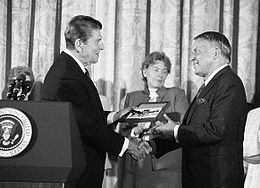
frank_sinatra_and_ronald_reagan

Frank Sinatra receiving the Presidential Medal of Freedom from Ronald Reagan in 1985.

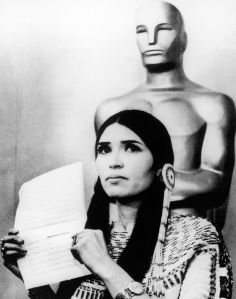
When Marlon Brando won his much deserved Best Actor Oscar award at the 45th Annual Academy Awards in 1973 for his role in “The Godfather”, he famously turned his acceptance speech into a less subtle political statement than Meryl Streep did. Instead of blubbering on stage and thanking a bunch of technical folks in film that the audience has never heard of as one is want to do in these situations, Brando sent instead Native American actress Sacheen Littlefinger to un-accept the award on his behalf in protest of the industry’s portrayal of Native Americans on-screen. [6] This was only the tip of Brando’s involvement in politics, however, which also included support for the state of Israel, advocacy for African American civil rights, and trying to save the world from hunger by funding scientific research into aqua farming tilapia, of all things. [7]

marlon-brando-best-actor

Sacheen Littlefinger comes prepared on the stage of the 45th Annual Academy Awards to shake things up a bit. [8]

And though films have typically been created to entertain (and make many large bags of money) it’d be negligible to ignore their impact on war efforts during World War II when “going to the movies” was both a motivating patriotic experience and a reminder to the audience of who the reel (sorry, not sorry) enemy was. Assisting the U.S. Government by way of both educational and animated films portraying Axis forces in demeaning ways, Walt Disney of…er, Disney fame, produced over 124 hours worth of animated films which included instructional videos for soldiers all the way to Donald Duck destroying an entire Japanese airbase all by himself. [9]

rare_disney_production_art_world_war_ii_duck

Hollywood and “not” politics…


So despite what your political beliefs may be, it’s hard to call for a separation between Hollywood and politics when both institutions have a symbiotic, influential relationship with one another. Hollywood stars become political advocates and voices for unpopular movements or, sometimes, find themselves targeted by them. Stars join political campaigns or are welcomed by and requested by politicians looking for national support. The government calls on favors during times of war, and, sometimes, seats in governorship, and again, even the presidency with the recent election of a reality TV star into the highest office of the country. Whether or not you agree with Meryl Streep’s speech, she’s following a long tradition in Hollywood to utilize its platform and influence to insight or defend its audience from “the bad guys”.

Besides, I’d suspect Dame Meryl Streep, frankly, doesn’t give a damn.


Fact Check it, yo!

[1] Variety Staff (2017 Jan. 9th). TV Ratings: Golden Globe Viewership Grows From Previous Two Years. Retrieved from: http://variety.com/2017/tv/news/tv-ratings-golden-globe-ratings-rise-1201955828/

[2] Streep, M. (2017, Jan. 8th). 74th Golden Globes Awards Cecil B. DeMille award acceptance speech. Retrieved from: http://www.latimes.com/entertainment/la-et-golden-globes-2017-live-watch-all-of-meryl-streep-s-1483932724-htmlstory.html

[3] Roosevelt, R. (1947, Oct. 29th). My Day. Retrieved from: https://www2.gwu.edu/~erpapers/myday/displaydoc.cfm?_y=1947&_f=md000796

[4] Summers, A. & Swan, R. (2010). Sinatra: The Life. Retrieved from: https://books.google.com/books?id=R5SddF7R6x4C

[5] Kelley, K. (1986). His Way: The Unauthorized Biography of Frank Sinatra. Retrieved from: https://books.google.com/books?id=EnbzfyWuuL0C&printsec=frontcover#v=onepage&q=racial%20situation&f=false

[6] Brando, M. (1973, Mar. 30th) That Unfinished Oscar Speech. Retrieved from: http://www.nytimes.com/packages/html/movies/bestpictures/godfather-ar3.html

[7] Mizruchi, S. (2014) Brando’s Smile: His Life, Thought, and Work. Retrieved from: https://books.google.com/books?id=fLBbAwAAQBAJ&printsec=frontcover&dq=brando%27s+smile&hl=en&sa=X&ved=0ahUKEwiV39LPn7bRAhUG_4MKHT7cDmoQ6AEIHDAA#v=onepage&q=brando%27s%20smile&f=false

[8] Marlon Brando’s Best Actor Academy Award acceptance. Retrieved from: https://www.youtube.com/watch?v=2QUacU0I4yU

[9] “Disney’s Troupe Goes to War”. Times. 15 November 1942. p. 20-21. Retrieved from: http://query.nytimes.com/gst/abstract.html?res=9B0CE5D7163DE03ABC4D52DFB7678389659EDE&legacy=true

Out of the Mouth of Playboys…

I am writing “My Life” to laugh at myself, and I am succeeding. I write thirteen hours a day, and they pass like thirteen minutes. What pleasure in remembering one’s pleasures! But what effort to recall them to mind! It amuses me because I am inventing nothing. What chagrins me most is that I am forced, at this point, to mask the names, since I cannot expose the affairs of others.

– Giacomo Casanova, The Story of My Life on why he’s cool enough to ruin even the chastity of nuns.

Mozart’s Crap

tumblr_memnmhcvzd1qec84a

You know who Mozart is. I shouldn’t need to spend any time explaining that in the 18th century, a musical prodigy was born in Salzburg, Austria, to a chapel director/violin teacher. That this little ruffian was learning the harpsichord at the age of 3 and not a year later was mastering the violin and displaying a proficiency for arithmetics, and that by age 6, had composed his first concerto. [1] You’ve heard his most famous works; Allegro, The Magic Flute, The Marriage of Figaro, Don Giovanni, Requiem, to name a small few. You’ve maybe also heard some crackpot theories about Salieri murdering him rather than one of the possible 140 causes of death scholars are still quibbling over. [2]

What is perhaps not as well known about the eccentric powdered Mozart is his obsession and love affair with…crap.

800px-mozart_msofdifficilelectu

“Lectu mihi mars” or “Leck du mich im Arsch” (For those who don’t know the fun parts of German, “Lick My Arse”)

Indeed, when it was discovered in some of his letters and manuscripts that Mozart had a propensity for fecal preoccupation, there was some embarrassed rejection of the material by later family and scholars of the 19th century (See Victorian prudes)–how could a genius such as Mozart, write about passing a bowel movement on his cousin’s nose? [3] Even Margaret Thatcher, U.K. Prime Minister, wasn’t pleased with the reality of a famous classical composer degrading himself with potty humor and refused to believe it factual. [4]

But the fact of the matter is, it runs in the family.

We lead a most charming life, up early, late to bed, and visitors the whole day; we live like princes. Addio, ben mio, keep well. Stretch your arse up to your mouth. I wish you good-night; Shit in your bed with a resounding crash. It’s already after one o’clock; now you can keep making rhymes yourself.

A note written by Mozart’s mother to her husband on September 26th, 1777 [5]

A leading theory to account for Mozart’s affinity for scatology is to assume he was a sufferer of Tourette’s syndrome–A disorder characterized by involuntary tics, movements, and vocalizations–as a defensible explanation for why Mozart insisted on writing limericks about ‘licking arses’ while he was busy writing and composing some of the most famous operas in existence. Despite gaining traction in the public mindset, however, this theory has been largely debunked. [6] As Mozart would say, what a load of shit.

Notably, there doesn’t appear to be a credible primary source to ascertain Mozart suffered from involuntary tics or movements, nor does simply writing potty jokes in letters translate at all to the coprolalia symptom present in only 10-15% of those diagnosed. [7] In short, Mozart was just a bit of an oddball not unlike other weirdo geniuses, and attempting to diagnose him retroactively, ignores another layer of his cleverness–even if it is about things best left in the toilet. The letter quoted below, which Mozart wrote to his cousin, is one such example. It contains a proficiency in alliteration, mirror construct, synonyms, echo effects, lyrical syntax, and, well, poop. [8]

Dearest cozz buzz!

I have received reprieved your highly esteemed writing biting, and I have noted doted that my uncle garfuncle, my aunt slant, and you too, are all well mell. We, too, thank god, are in good fettle kettle. Today I got the letter setter from my Papa Haha safely into my paws claws. I hope you too have gotten rotten my note quote that I wrote to you from Mannheim. So much the better, better the much so! But now for something more sensuble [sic].

So sorry to hear that Herr Abbate Salate has had another stroke choke. But I hope with the help of God fraud the consequences will not be dire mire. You are writing fighting that you’ll keep your criminal promise which you gave me before my departure from Augsburg, and will do it soon moon. Well, I will most certainly find that regrettable. You write further, indeed you let it all out, you expose yourself, you let yourself be heard, you give me notice, you declare yourself, you indicate to me, you bring me the news, you announce onto me, you state in broad daylight, you demand, you desire, you wish, you want, you like, you command that I, too, should could send you my Portrait. Eh bien, I shall mail fail it for sure. Oui, by the love of my skin, I shit on your nose, so it runs down your chin…

Mozart to his cousin, Maria Anna Thekla Mozart, on November 5th, 1777. [8]

It’s actually even been suggested that Mozart was…behaving completely normal. Defecation, it turns out, has strong roots in not only Mozart’s family discourse but in German culture too. Alan Dundes writes, “The fact that the anal themes so prominent in German folklore are also to be found among the so-called elite. In sum, anality would appear to be an integral part of general German national character and is not limited to either an occasional peasant or a single exceptional theologian, musician, or poet.” [9]

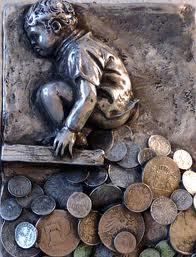
images

German proverb: “Geld ist Dreck, aber Dreck is kein Geld.” [Money is shit, but shit is not Money]

So to all those parents out there hoping their little baby will be the next concerto prodigy just remember that your kid already has something in common with Mozart: They both giggle when they flatulate. Or, mothers, you’ll know it when you receive this beautiful loving poem from your child pinned to your pillow.

On Monday, I will have the honor of embracing you and kissing your hand

But before that I will already have shit in my pants [9]

Fact check it, yo!

[1] Mozart. (1854). The Illustrated Magazine of Art, 4(24), 331-334. Retrieved from http://www.jstor.org/stable/20538517

 [2] Karhausen, L. (2010). Mozart’s 140 causes of death and 27 mental disorders. BMJ: British Medical Journal, 341(7786), 1328-1329. Retrieved from http://www.jstor.org/stable/25766569

[3] Head, M. (2002). Music & Letters, 83(4), 614-618. Retrieved from http://www.jstor.org/stable/3526384

[4] (1992, October 16) The Mozart Miracle. Retrieved from http://www.telegraph.co.uk/culture/4715973/The-Mozart-miracle.html

[5] Schroeder, D. P. (1999) Mozart in Revolt: Strategies of Resistance, Mischief, and Deception. Retrieved from books.google.com

[6] Davies, P., Karhausen, L., & Heyworth, M. (1993). Mozart’s Scatological Disorder. BMJ: British Medical Journal, 306(6876), 521-522. Retrieved from http://www.jstor.org/stable/29718658

 [7] Karhausen, L. (1998) Weeding Mozart’s medical history. Journal of the Royal Society of Medicine, PDF. Retrieved from https://www.ncbi.nlm.nih.gov/pmc/articles/PMC1296923/pdf/jrsocmed00020-0044.pdf

[8] Spaethling, R. (2005) Mozart’s Letters, Mozart’s Life. Retrieved from books.google.com

[9] Dundes, A. & Pagter, C. (1978) Work Hard and You shall Be Rewarded: Urban Folklore from the Paperwork Empire. Retriever from books.google.com

What is Fascism?

mussolini-2

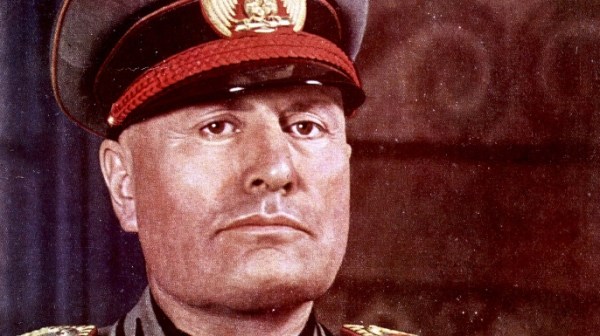
Benito Mussolini, Leader of the Nationalist Fascist Party who became Prime Minister of Italy in 1922 until he decided Democracy was for squares and seized control of the nation as dictator.

People like to throw around words that hurt, words that no one wishes to be associated with because of the troubled history these definitions carry, regardless of their accuracy. Many of us are able to recall the stain from lived experience while others of us unknowingly feel discomfort upon hearing their whisper, ghosts of a time we were fortunate enough not to have witnessed. It’s not out of the ordinary to hear someone called a ‘Communist’ or a ‘Socialist’ for simply being disagreeable rather than because of any formal affiliation with a political faction, for example. These words used to mean something. Rather than an insult insinuating how “un-American” an individual may be, these words used to come with a benchmark of ideals and theories characterized by aggressive political leanings that have, in History, sparked revolutions. These words used to matter.

Democracy is beautiful in theory; in practice it is a fallacy. You in America will see that some day. –Benito Mussolini in 1928 [1]

The sands of time are no kinder to concepts and words than they are to ruins, and so it is possible to forget or wave away its meaning as a figment of the past. Fascism, like many other features of World War II, has NOT been buried or vanquished like the Third Reich–It’s a symbiotic strain of Nationalist sentiment that still, to this day, rears its ugly head in every day discourse and goes on unnamed and, ultimately, undetected for what it truly is.

Fascism as a political theory falls on the spectrum of far-right radical leanings characterized by severe Nationalist sentiments and in opposition to Liberalism and Marxist beliefs. Fascism operates on the idea that Democracy is failing and that the true way to unite the state is under one party with a powerful, preferable, Dictator to solidify the stability necessary to combat military and economic crisis. To do this, Fascism encourages violence, war, and Imperialism, as a means to help jump start and heal the nation unilaterally and advocates an economic market with isolationist, aggressive restrictions on foreign trade to further the goal of self-sufficiency.

a form of political behavior marked by obsessive preoccupation with community decline, humiliation, or victimhood and by compensatory cults of unity, energy, and purity, in which a mass-based party of committed nationalist militants, working in uneasy but effective collaboration with traditional elites, abandons democratic liberties and pursues with redemptive violence and without ethical or legal restraints goals of internal cleansing and external expansion –
Robert Paxton, The Anatomy of Fascism [2]

On social issues, Fascism attacked and categorized homosexuality as a deviant behavior, condemned forms of birth control utilized by women, [3] and relegated the roles of women as ‘reproducers’ and regarded their role in the work force as responsible for unemployment and incompatible with child bearing. [4]

Though not the creator of Fascism but certainly founder of the Italian movement, Benito Mussolini remains the world’s leading example of Fascism in action. Once a socialist, Mussolini grew despondent towards his party’s preference to remain uninvolved during World War I which he was eager to serve in and was later discharged after a wound sustained by an accidental mortar bomb explosion on the Italian Front. Upon his return, he denounced his former party and founded the National Fascist Party with an emphasis on renewed focus of Italian Nationalism. Mussolini came into power in the last week of October 1922 when, with his band of paramilitary supporters known as the ‘Blackshirts’, marched on Rome demanding the resignation of the current prime minister Luigi Facta and the right to rule–which was handed over by the king Victor Emmanuel III. Mussolini then subsequently became the youngest Prime Minister in Italy and used his authority to further his Fascist agenda by establishing, with the help of his secret police and sets of defining laws, a one-party dictatorship with himself at the helm.

https://i0.wp.com/italiancanadianww2.ca/images/uploads/catalogueimages/1166/ldicea2012-0014-0008.jpg

It was a long complicated road. When Mussolini took office, the Parliament was filled with many opposing political factions–leaders intent on curbing the Fascist enthusiasm Mussolini now brought with him (along with some muscled brutes for good measure). In an effort to garner support on the outset, Mussolini targeted new reforms toward the Working Class to reduce the work day which guaranteed 8 hours, ignored profiteering of the Industrial sector during WWI, catered to the wealthy by reducing death duties, and rubbed elbows with the Roman Catholic Church by mandating religious education as obligatory in all elementary schools. All in all, everyone was pleased.

Except, of course, his political enemies. To deal with them, Mussolini initiated a Grand Fascist Council which would decide upon policy reforms while shutting out any dissenters or opposing party factions. This group immediately brought forth a law known as Acerbo Law which sought to change the way members of parliament were elected into seats. Now if a political party, such as the National Fascist Party, received at least 25% of the vote in elections, they were now guaranteed at least 66% of the seats in Parliament ensuring them a solid majority.  Those brutes I mentioned before served as a useful tool in getting the law passed despite its obvious connotations for anyone not a member of the Fascist party. Once passed, the Fascist hold over Parliament was secured with more than 2/3rds of the available Parliamentary seats. Obviously, this did not go unnoticed by the concerned populace in Italy and a prominent Italian politician by the name of Giacomo Matteotti stood before the Parliament and publicly accused the Fascists of rigging the election in their favor and accused Mussolini of inviting those brutes, outside busy fiercely cracking their knuckles, to the party.

So it was no surprise when, 11 days after this declaration, Giacomo Matteotti turned up murdered and people maybe thought that Mussolini had something to do with it. Since no evidence was found in trial condemning Mussolini in the involvement of the murder, historians still debate the validity of this claim today. Regardless, the Italian public believed and upon numerous journalist outcries and calls for resignation, a number of the non-Fascist Parliament members staged a walkout in protest (Which…well, made things even more Fascist-y than before in Parliament) and begged the King, Victor Emmanuel III, to remove Mussolini from office. The King, for reasons that remain petty and politically mind boggling, didn’t much care for the protestors stance on the monarchy to begin with since they favored a republic and ‘Pah!’d them away allowing Mussolini to solidify his hold.

Swiftly, Mussolini shut down those trash talking newspapers and sent out his army of brutes to silence further dissenters. By 1926, all other political parties had been banned from Italy. A year later, a secret police was formed with the reintroduction of the death penalty to facilitate this ban. Mussolini was now free to exert full control and had no one standing in his way (unless Victor Emmanuel III ever decided to get off his duvet and do something about it). The precursory period before WWII saw the same dance of propaganda, cultural revere, and idolization of Mussolini (Apparently he could play a mean violin?)  as was usual for other growing dictatorships in Europe. This caught the esteem of Adolf Hitler. The two eventually formed an alliance with the instigation of WWII, despite Mussolini’s political allies discouraging him to do so. Mussolini was confident that Germany would soon be victorious, however, and that the war would be short lived.

https://i0.wp.com/www.historytoday.com/sites/default/files/Bundesarchiv_Bild_146-1969-065-24%2C_M%C3%BCnchener_Abkommen%2C_Ankunft_Mussolini.jpg

It wasn’t. Most of us know exactly how WWII plays out and I’m not going to recite it all here, though needless to say, Italy didn’t do so hot. By 1943, Italy had suffered major setbacks on all fronts, exposed itself to invasion by Allied forces, and resource output ground to a halt with factories lost in frequent bombings and food shortages starved out the population. The stress took a toll on Mussolini himself, being diagnosed with gastritis and duodenitis which both served together to bring on one helluva an IBS rager which forced him to stay home seated on the porcelain throne rather than in government.

Victor Emmanuel III was finally ready to do something. With the help of Count Dino Grandi (Member of the Fascist Grand Council and enemy of Mussolini after opposing Italy’s entry into WWII), they orchestrated the removal of Mussolini by calling for a vote of no confidence among the council which succeeded. Mussolini merely shrugged and showed up the next day viewing them mostly as advisors of which his ousting he did not care to follow. The King then invited Mussolini to his palace where he was ambushed with an arrest and was told that he was being replaced with a new Prime Minister. Mussolini was then imprisoned and moved around in order to hide his location from his best friend forever, Hitler, who was hell bent on re-inserting him to power. He was eventually ‘rescued’ by his pal and encouraged to spearhead a new regime intent on stealing back Italy. Now operating under the tutilage of German forces, Mussolini retired himself to Lake Garda where he ordered a few executions of his betrayers while sipping a bellini while Hitler ran the show on the front.

In April of 1945 (a few days before the suicide of Hitler), Mussolini was stopped along with his mistress on their way to escaping to Spain by communist partisans. The pair were captured and brought to Mezzegra where they survived their last night before being shot to death along with their entire convoy. It didn’t end there. After loading their bodies into a van and heading down to Milan, the bodies were dumped unceremoniously at the Piazzale Loreto. Civilians came out in droves to beat and abuse the corpses which were eventually strung up by the ankles and hung from a gas station so that they made for easier targets in stoning.

With the death of Mussolini and the conclusion of WWII, the National Fascist Party was outlawed in Italy. Many successor neo-Fascist parties arose instead, and some do exist in modern times around the world today though not to the same extent or level of power as Mussolini’s rise in Italy. However easy it is to kill a man or his party, remember that it is not as easy to kill an idea. Though the usage of the term Fascism is deadened by its limits in political relevance today, many policies and ideals characterized by its fervor are still very much alive and well. Fascism still means something and we would all do well never to forget it.

Footnotes:

1. Quote from Mussolini as told to Edwin L James of the New York Times. (1928)

2. Paxton, Robert. The Anatomy of Fascism. Vintage Books. ISBN 1-4000-4094-9.

3. Maria Sop Quine. Population Politics in Twentieth Century Europe: Fascist Dictatorships and Liberal Democracies. Routledge, 1995

4. Durham, Martin, Women and Fascism (Routledge, 1998) p. 15.
The Original Queen of Shade

There are many people at Versailles today.

-Marie Antoinette, to her grandfather in-law King Louis XV of France’s mistress Madame Du Barry.

du-barry-marie-antoinette-1772

(On the left) Madame Du Barry, Maitresse-en-titre & Marie Antoinette, then Dauphine of France (on the right)

Context:

When 14-year old Marie Antoinette, Archduchess of Austria, arrived in France in 1770, it was to a whirlwind marriage to the heir apparent and (soon to be her ruin) Dauphin of France Louis XVI and an angered and resentful court over the now newly cemented alliance between France and Austria to which she was greeted.

One of her political foes was the current king and grandfather of her now husband Louis XV’s mistress Madame Du Barry who had been warming his bed and ear for some time. She was in large part responsible for kicking out the man who solidified the alliance and marriage of Marie Antoinette and was unpopular among the court for her vulgarity and well known history of “congressing“.

To innocent and as yet to be unflowered Marie Antoinette, Madame Du Barry was nothing short of appalling and certainly did not approve of her relationship with the King nor her opinions on Austria or shameless “your mamma” jokes. Encouraged by her husband’s sisters, Marie decided the best thing would be to stone cold shun Du Barry and ignore her in court.

Because the court protocol dictated that Du Barry, who was of lower rank than Marie, could not initiate conversation, she grew angry at the snub and the presumed lack of approval which, for political reasons, was important for Marie to give. Naturally, the King didn’t hear the end of it and Marie also received letters from her mother encouraging her to at least speak to Du Barry to please Louis XV since her position was a bit contentious since her husband had yet to consummate their marriage.

So, begrudgingly, on New Year’s day of 1772, two years after arriving to France and ignoring Du Barry, Marie Antoinette glided over to the Madame and uttered the choice words above, masterfully crafted to appease all concerned and yet needle Du Barry for her common (and illegitimate) birth and affinity for prostitution.

And what solidifies the shade, Du Barry didn’t pick up on the slight–happy to have been acknowledged at all. Marie strutted off never to speak another word to Du Barry, who in the next 2 years would be ousted from court and placed in a convent after the death of Louis XV.

Ironically, though Marie Antoinette was determined to distance herself from Madame Du Barry as much as possible–the two ultimately did share the same fate. They both became victims of the French Revolution and the Reign of Terror, sentenced to beheading by guillotine.

FINAL days in Italia! 🇮🇹

Alright, so I’ve been home for a few days already and I apologize for the late update. There are a few reasons for this, one being that obviously it’s hard to write the last one because this means it’s all over. Two, our last night included no sleep as we arrived and stayed at the airport for 9 hours before our layover flight to Amsterdam. Because of this and a now weakened immune system, I picked up a nasty chest cold during the flight and returned home with the inability to do much of anything aside from sleep and cuddle my puppies.

So now that I’ve recovered a bit, here’s the last bit of my Europe extravaganza trip!


Our last day in Cosenza was a bit more uneventful–our relatives were busy working as it was no longer a string of holidays in Italy (All Saint’s Day and All Soul’s Day) and so we spent our final night packing, shopping for last minute trinkets, and eating some really good pizza.

One thing I didn’t dedicate myself to, was a real try at accidentally stumbling across the tomb of Alaric I and his treasure. For those unaware of Alaric’s achievement of sacking Rome…that’s probably for the best. By the time Alaric hit Rome, it was already a crippling mass limping to collapse. What he served to do, however, was prove that Rome was vulnerable and not invincible–he opened the door to further turmoil and attacks until the Western seat of the Roman Empire fell in 476 AD. After sacking Rome, Alaric I, king of the Visigoths, sailed off with his spoils and headed south where he intended to bombard Africa because he was clearly on one helluva a winning streak. What happened instead was not an epic ransacking maneuver ala the game of Risk. On the way, his fleet was run aground by a storm forcing Alaric and what remained of his army to try and catch their breath in Cosenza. Alaric caught more than that, however, and died of a fever leaving the Visigoths to shrug themselves off to Spain. Legend has it, that Alaric and his treasures were buried somewhere in Cosenza with his gang temporarily diverting the Busento river to hide his burial. Obviously, I’m no Josh Gates of Expedition Unknown (Josh, if you miraculously receive a Google Alert and are reading this–TAKE ME WITH YOU!) but I certainly entertained a day dream or two where I stumbled across the find and jump started my career as Indiana Jones.

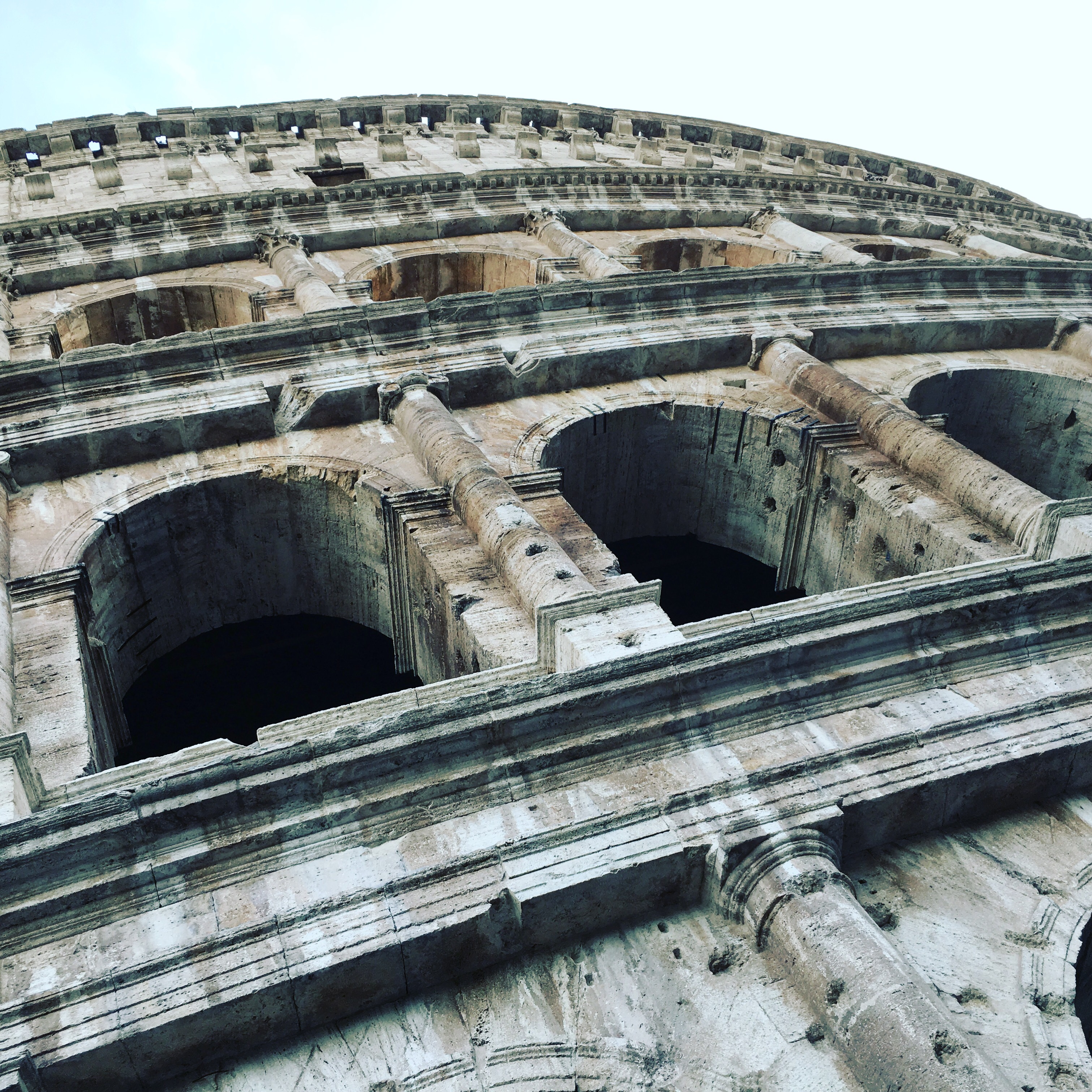
Once we left Cosenza without any Roman treasure to speak of, we headed up to the actual Rome where we’d eventually be flying out and returning home. We arrived late in the afternoon and were unfortunately unable to tour the Colosseum which was closing when we made it.

The Colosseum is about as marvelous as you can imagine. It’s massive–able to seat well over 50,000+ guests and certainly makes you gap in awe at it and not because of all of the weird Gladiatorial battles you can picture having caked the ground inside. I would love to come back and get a proper tour–mostly so I can be pointed out where our favorite jockstrap Emperor Commodus attempted to slumber nude during his reign of idiocy.

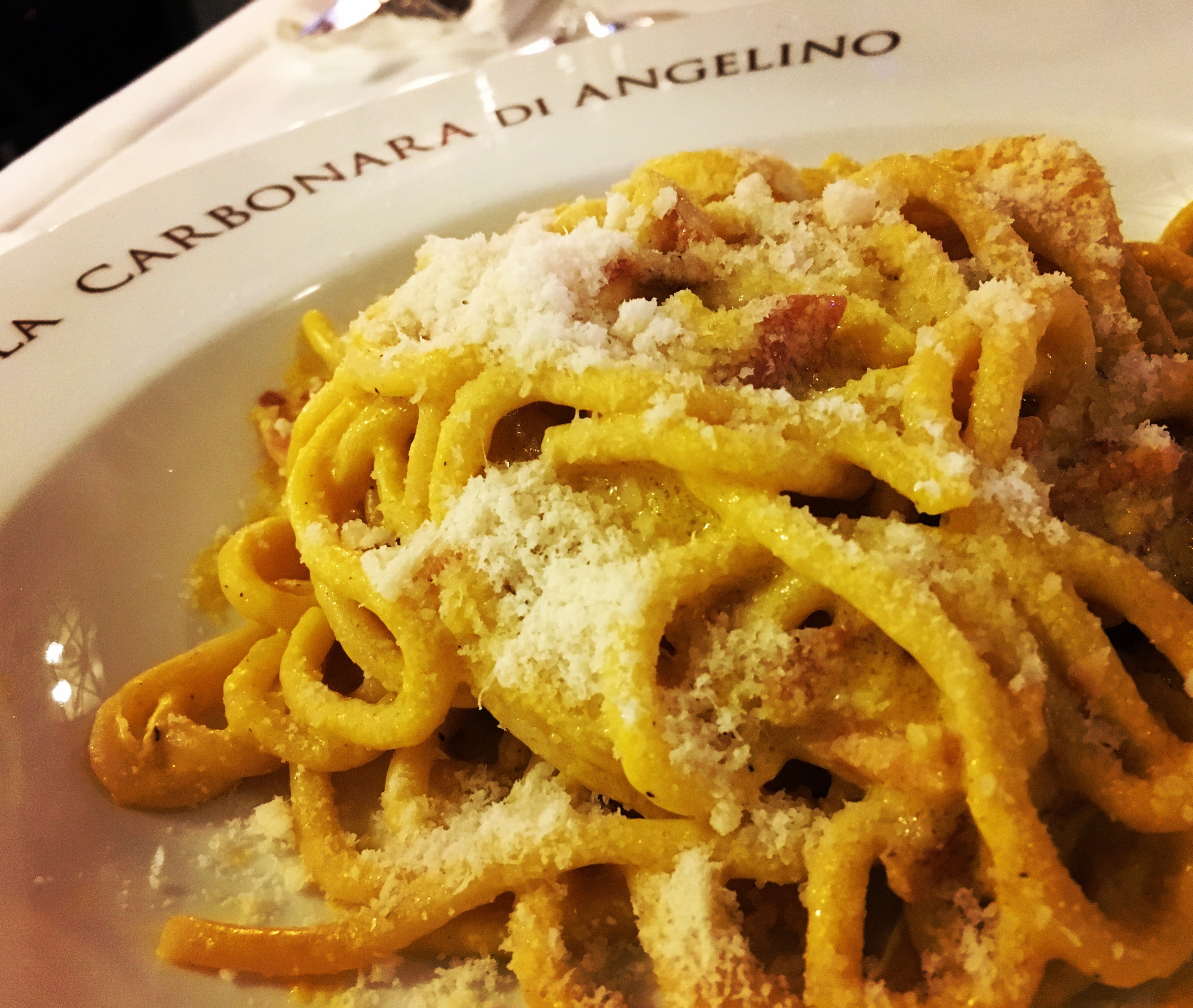
After walking around the amphitheater and waving at the Arch of Constantine as we passed, we ducked into a local restaurant to feast on our last Italian meal before walking about what we could of Rome before heading to the airport.


One thing I didn’t expect of Rome is how much of it is STILL in ruin. Everywhere we turned, there was an excavation or a reconstruction occurring and I can say with confidence that I hadn’t seen this in any other city we had visited in Italy. Rome’s history has a city is obviously extensive, and the amount of layers that exist under your feet as you walk is a bit overwhelming to imagine. I can’t wait to see what everything looks like once it’s completed (if ever though, honestly)


Night had quickly fallen and our rental car was due for return, so we quickly headed off to visit the Trevi Fountain before leaving. The fountain itself is a more modern marvel, having been completed in 1762. But sooooo worth it, even at night when it is all lit up. Unfortunately, pictures can’t do it justice.


All in all, my trip was a blast! If you’ve been following me since the beginning, then you know there was a lot of things missed in our travels but what we did get to see was 3 weeks of French and Italian country that is hard to get with an exclusive stay in a big city. We were exposed to all kinds of people and experiences, and I can now say I’ve been all across France and Italy. Our trip serves as a sampling snapshot of two wonderful and storied countries and when I return, I’ll know where and how to see the things I’ve missed on this particular trip.

The other main event of this trip was meeting our Italian relatives and that’s something I’ll never forget. They were warm and welcoming, taking it upon themselves to show us the sights of their home cities and making sure that our stay was fruitful and full of plenty of wine and pasta. They’ve empowered me to take up learning Italian here at home so that I can communicate with them better one day and join our local cultural center as well. One thing that will stick with me always was when I was embraced and told, “To use imagination is most beautiful. Write! Never stop writing!”

I promise to follow this advice for the rest of my life.

Thank you for following along with my adventures in Europe and I hope these have been informative and entertaining. If you enjoyed hearing from me, stick around and I’ll be updating this blog with history musings like before but with a special emphasis on some of the things I’ve experienced or seen on my travels now that I have a reliable internet connection and access to JSTOR.

Grazie e io scriverò presto! 🇮🇹

Day 16-17 in Italia! 🇮🇹


The perpetual chocolate croissants and coffee caught up with me on Day 16 and I was as sick as a dog. Moving on, Day 17 with the relatives brought us to Scalea, a coastal town in the Calabrian region about an hour and a half to two hours away from Cosenza. 

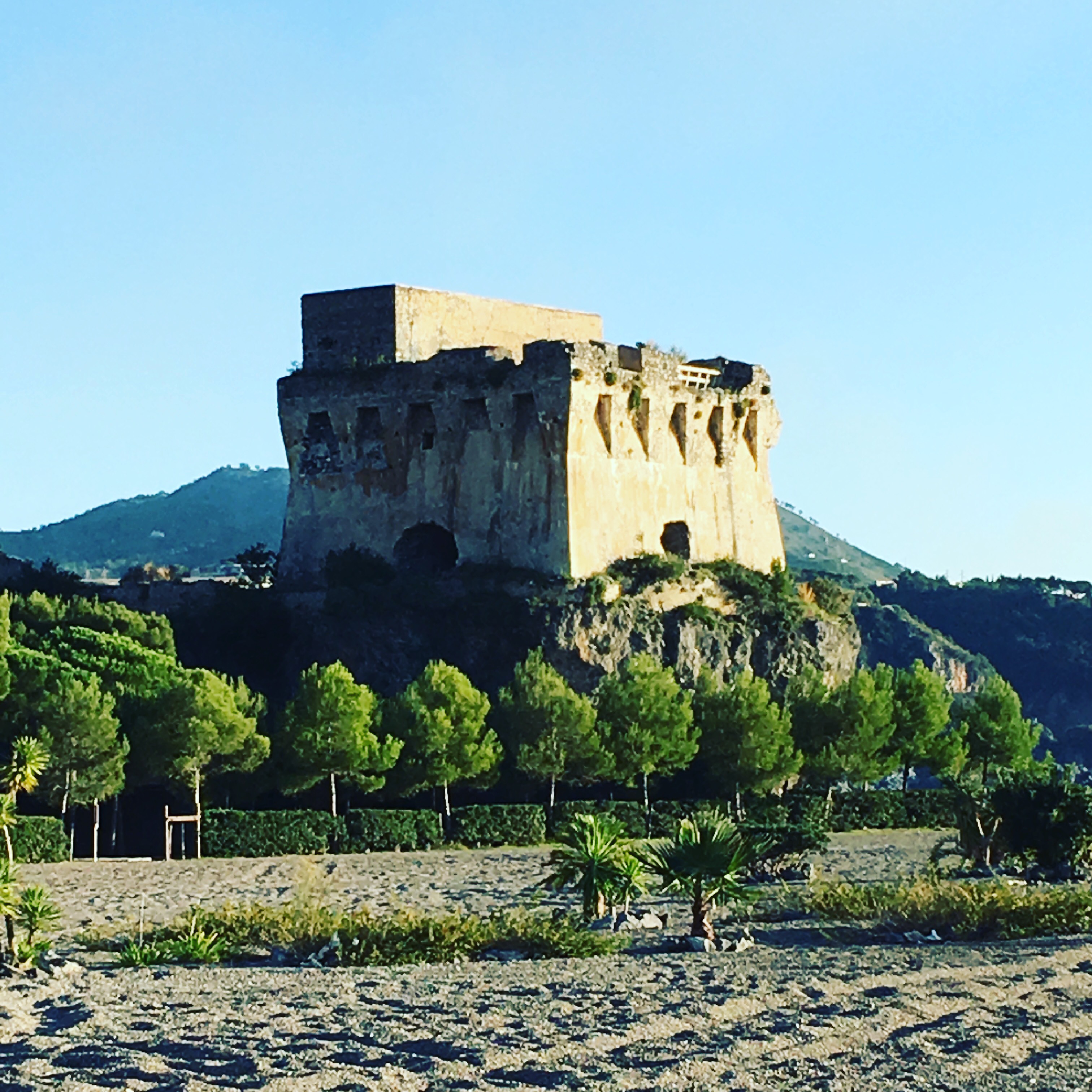
The ride up was amazing because for the first time, ruins were littered across the countryside on hills and entombed by modern buildings in a way we hadn’t witnessed before. Scalea was apparently a big port for the Byzantine Empire, and many of the structures and walls are still standing. So much so that I often wondered if some of the ruins we saw were even excavated, one in particular was sitting on top of a hill and looked to be shattered remains of a fortress of some kind but was completely alone with no protection or life of any kind nearby.

This is a different fortress and is possibly Turkish and there for Pirate Protections


And where there is water, there is most definitely piracy. I’ll have to do a more extensive search when I get home, but apparently there, naturally, was some medieval pirates gallivanting the high seas because heck yes there was. Most of the outposts and fortresses residing along the beach were there to help ward off the rum guzzlers looking to bank ashore.

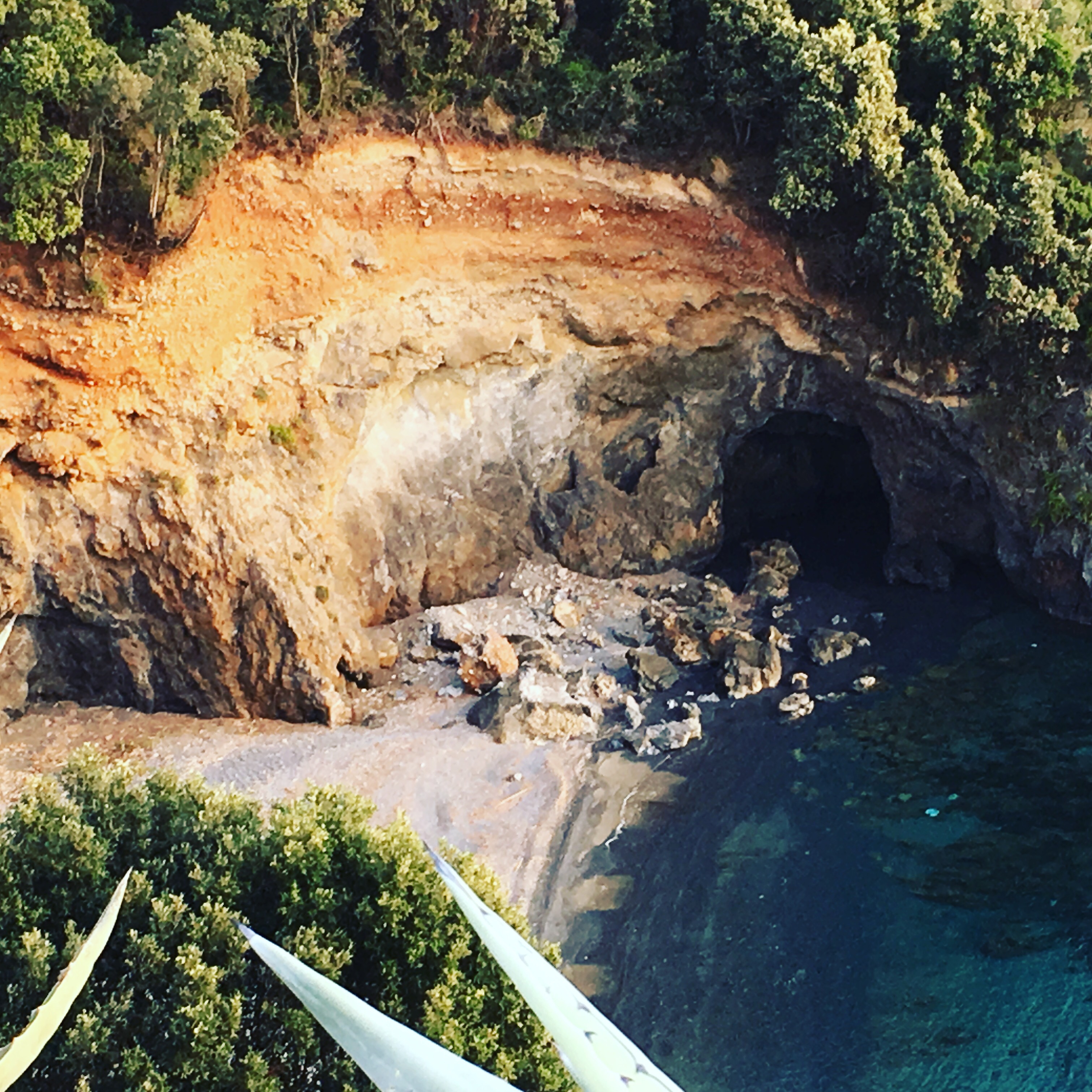
Pirate cave if I ever saw one!


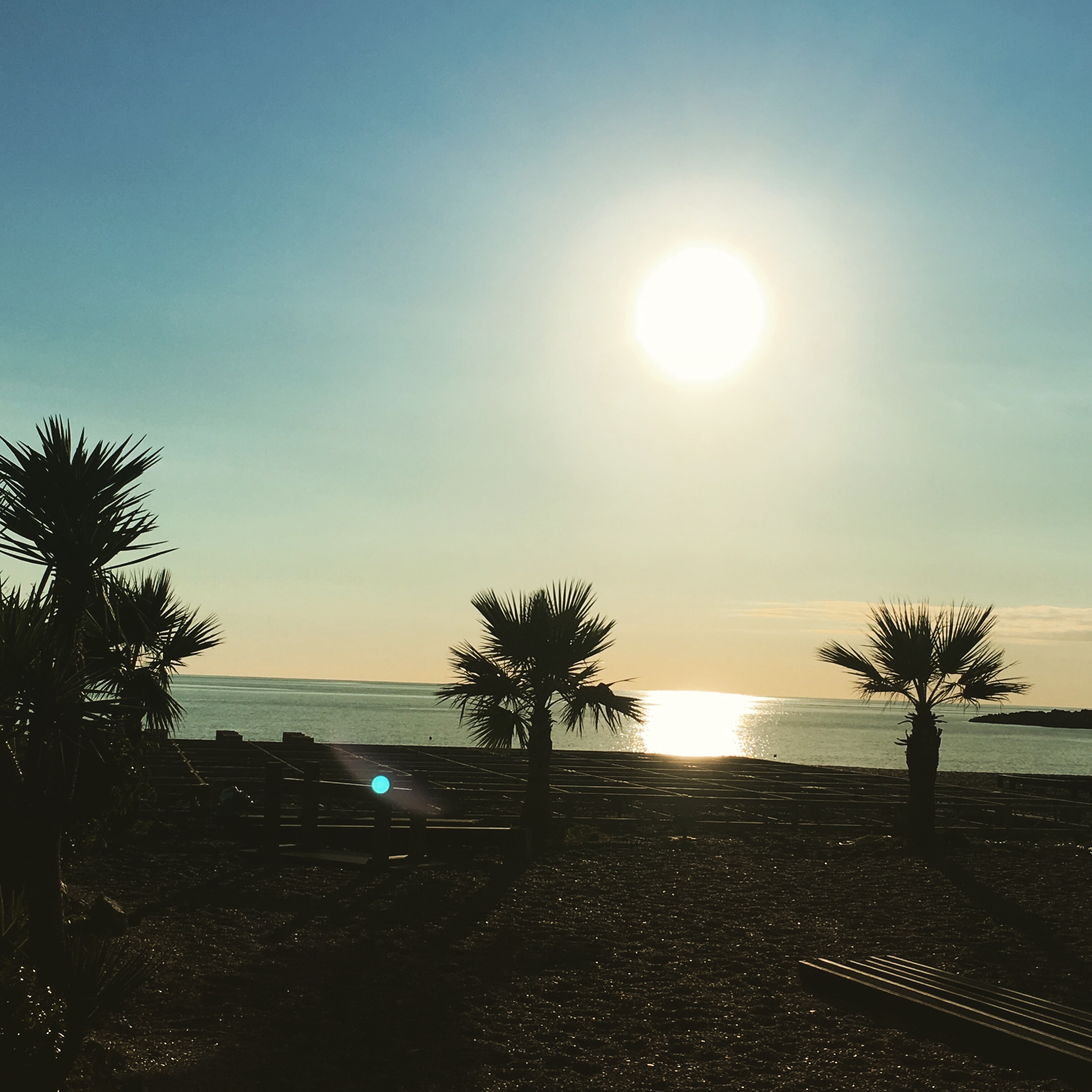
And why not? Because the beach is GORGEOUS!


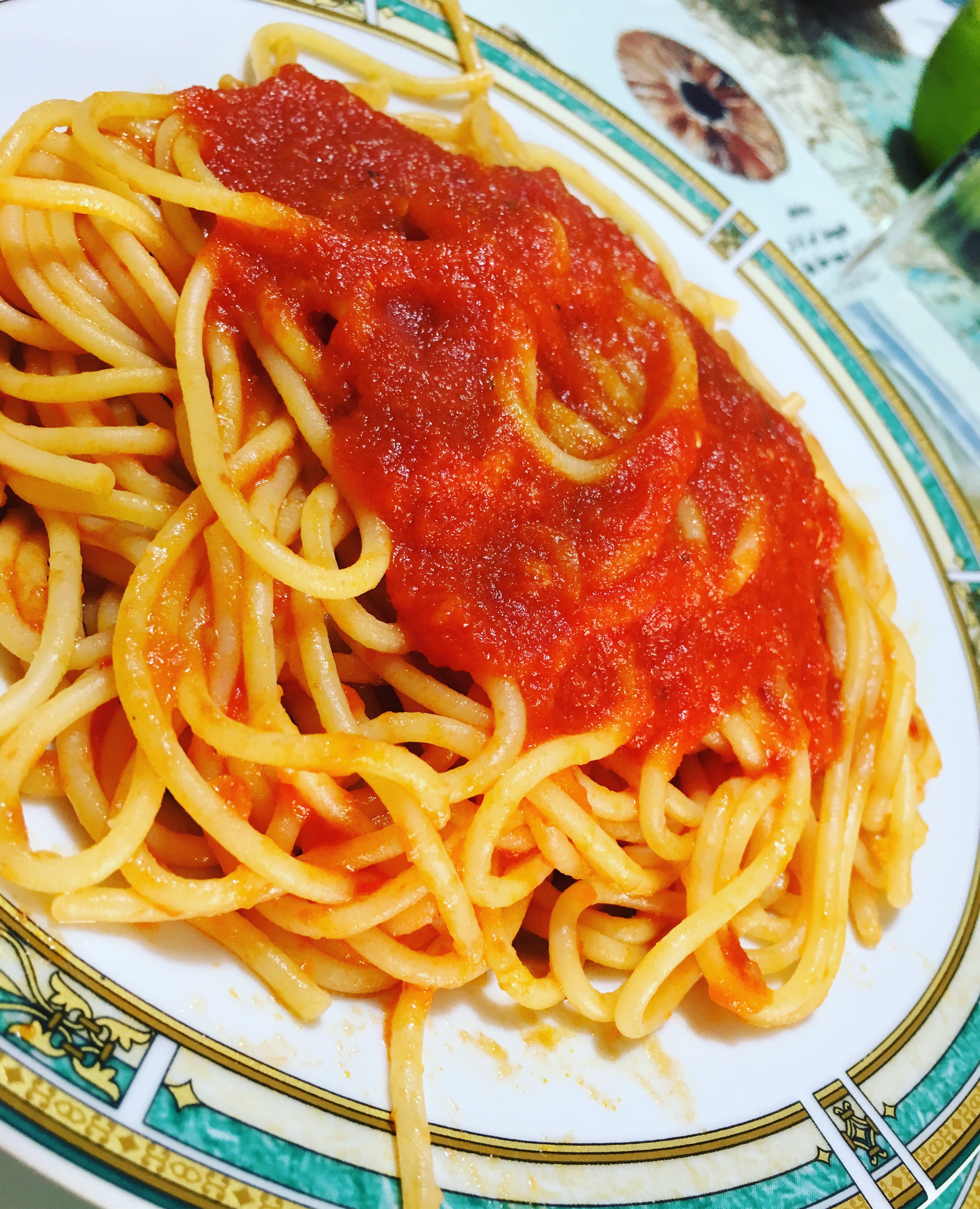
After we toured Scalea for a bit, we headed over to another house owned by our relatives so we could feast and drink homemade wine and be merry! It’s going to be really hard to go back to America and not have fresh homemade sauces and pasta every day. 

They keep a stash of pomodoro sauce in the basement

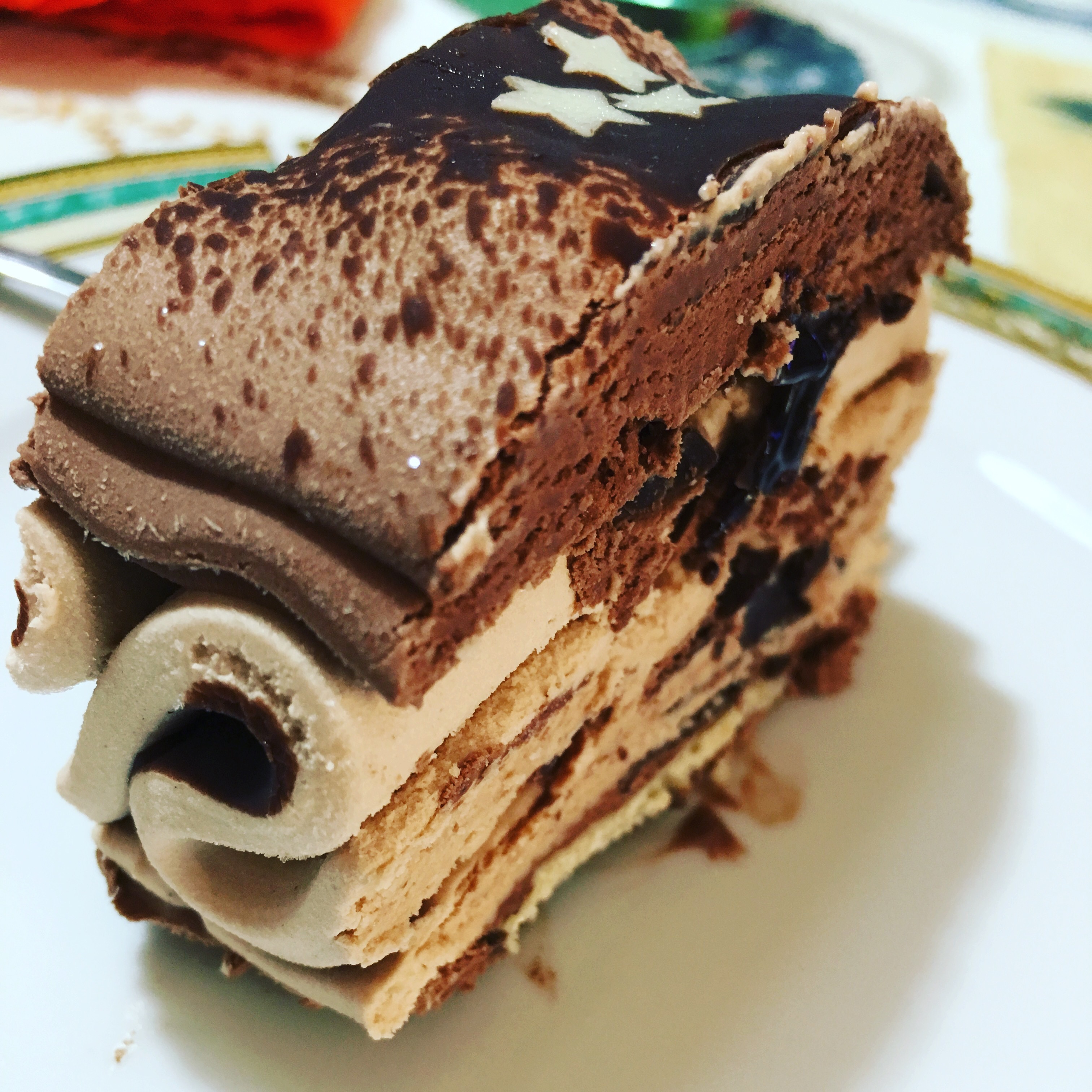
Gelato cake! (I maybe had two slices of this…)


Wine cellar! They have over 350+ liters left for the year!


We have one more day in Cosenza before we head off to Rome and the end of our trip. GAH!

Day 15 in Italia! 🇮🇹

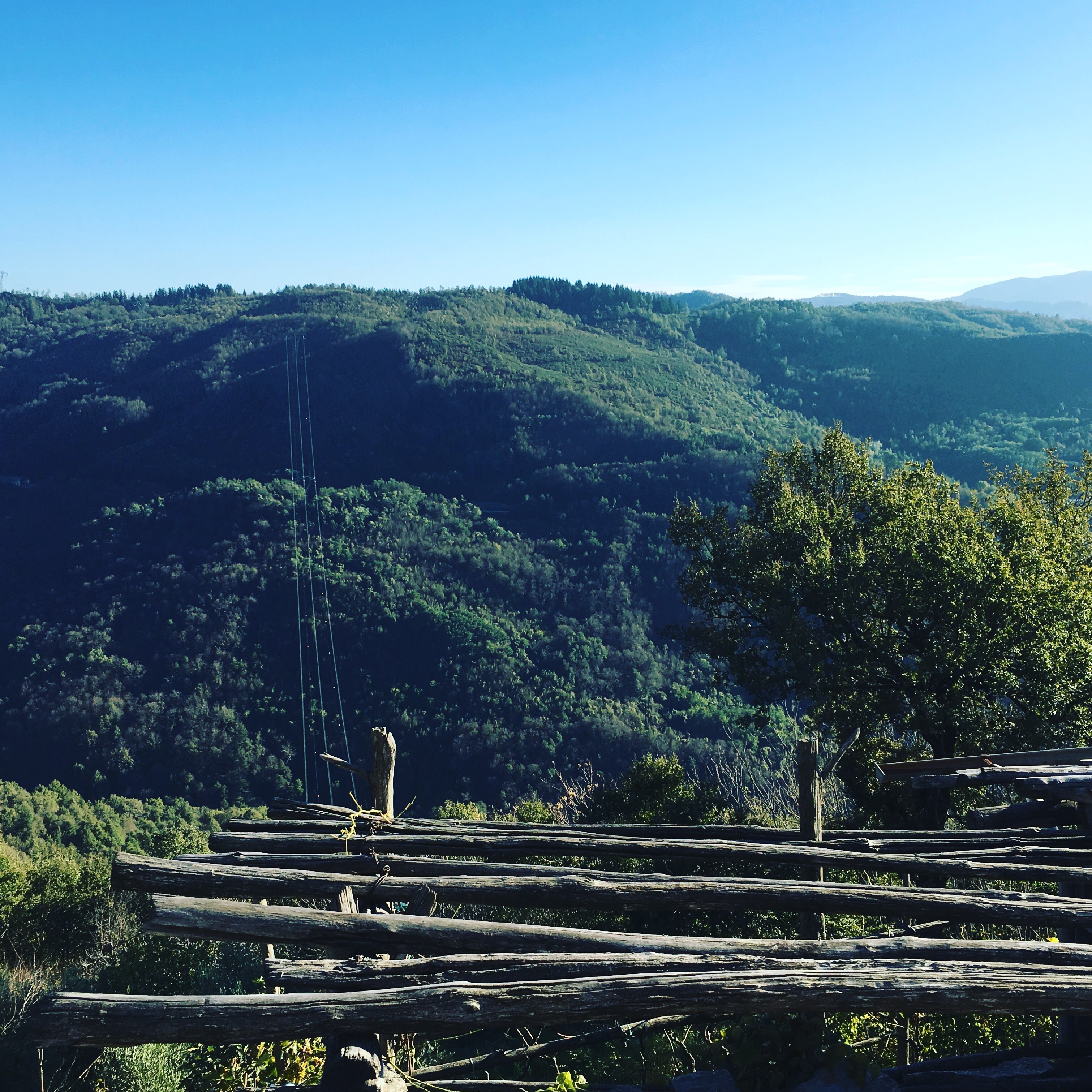
40 or so minutes away from the heart of Cosenza is the mountaintop Scigliano where our relatives here have built a country home and, down the street, my great grandfather once lived.

This house has been built and added to for generations and it shows! Pieces of the homestead clearly date back and offer a glimpse of the history pre-Unification–you can see parts of the old garden here where the family still grow fresh produce:


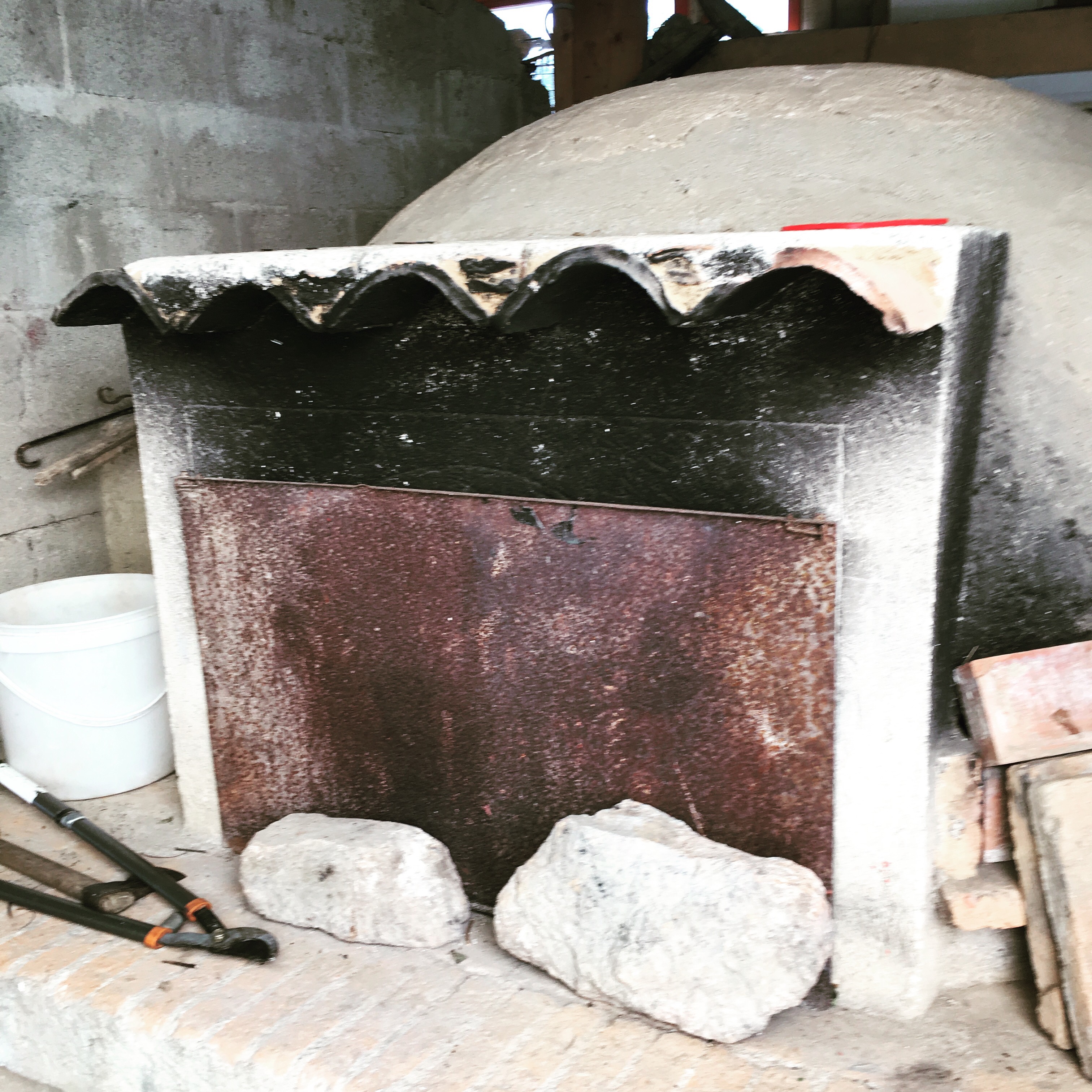
Once inside the patio, you can immediately find a large brick oven where the family can bake fresh bread or pizza:


And to the immediate right from here is a recently built Terrace with an awning covered in grapes (which they pick and use to make the family wine every year!):


Inside the house is a wrought iron fireplace which is stocked with chopped wood from out back–creating a cosy and authentic feel to an old house with the clash of new marble laid stairs.

I absolutely love the look and feel of this house. It is unique, handmade, and full of character–a far cry from America’s suburban conformitive neighborhoods. I spent many moments walking around every inch of the house trying to commit it all to memory with the hope of visiting this place again in my dreams. If there is ever a place to live one day, it is somewhere like this.


Once we were all settled, we helped ourselves to even MORE food! Homemade lasagna with foraged mushrooms from the garden, freshly grilled bacon, tossed spinach, beef stew, lemon and oil dressed peas and carrots, baked bread, and a dessert soaked and powdered in honey with white wine.


After becoming extremely full again, we topped it all off with another coffee and were introduced to our first Italian Digestive. They explained that there is coffee and then this kills the coffee–gesturing as if sullen with heartburn, miming a swig of the digestive, and then bursting with ease and comfort…or a burp, whichever makes more sense. It’s a light liquor that reminds me slightly of the taste but nothing of the texture of Peptobismol which is mixed with medicinal herbs to aid with digestion. Which, after the big meal we just partook in, seemed like a good idea to try as we hastily took a drink. 

After eating, we drove down the road to find the old house where my great grandfather lived before leaving for America.


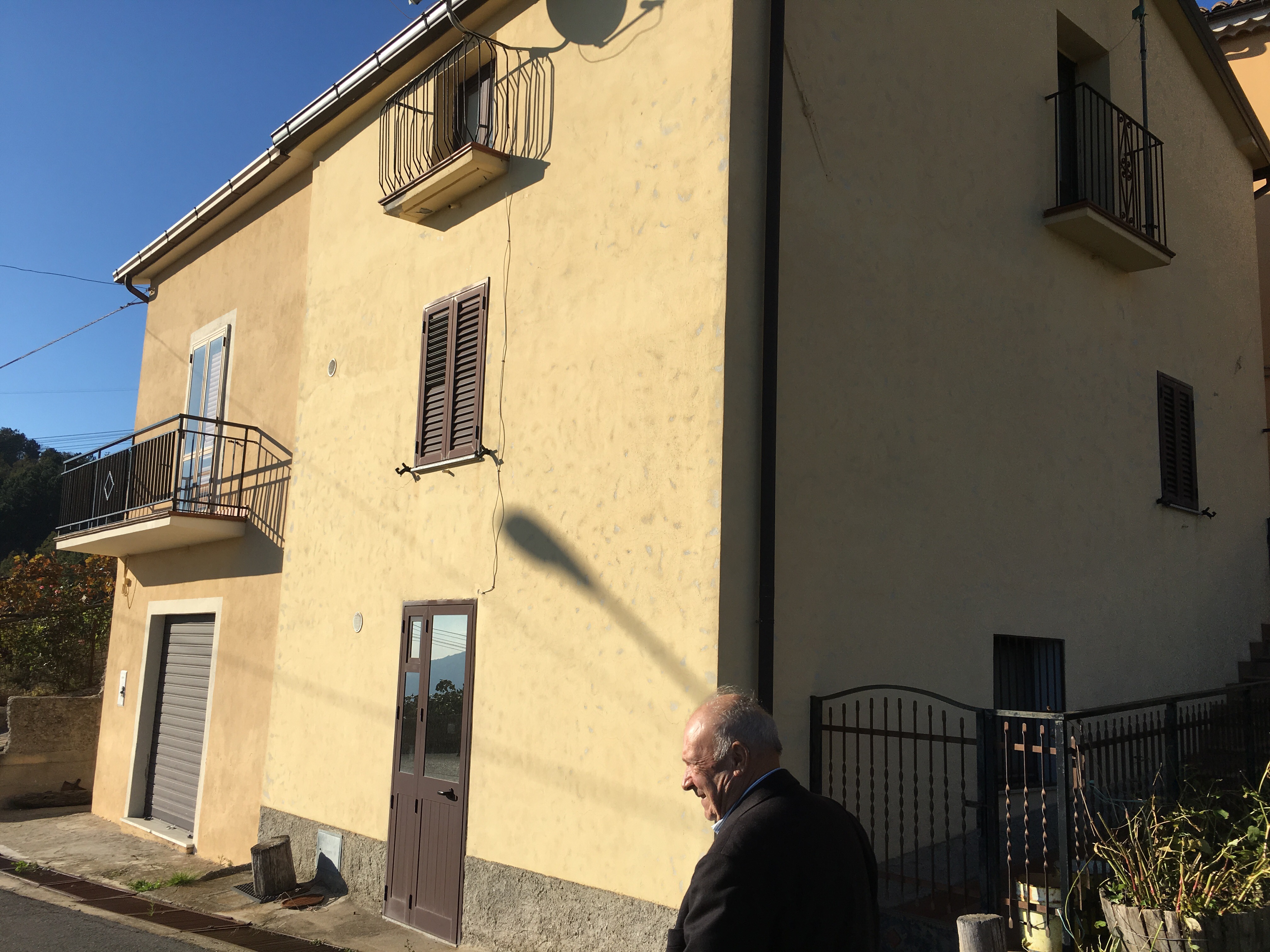
Above is the old home and our beautiful patriarch from my last post. None of our relatives live there anymore, but many of the neighbors still remember and so he tried knocking on everyone’s doors with the intention of asking but it seemed like everyone was out for the afternoon.

Great grandfather’s old garden


He was not so easily defeated, however, and after traveling further down the road, was able to find his cousin who was more than eager to meet us! Ultimately, we were able to become acquainted with all of the remaining relatives at once this day, meeting another sister and her daughter and family as well.

I am so overwhelmed with love and affection for these relatives who have been so hospitable to us on our journey through Italy. Today we return to Cosenza in the hopes of touring this city’s history!

Day 14 in Italia! 🇮🇹


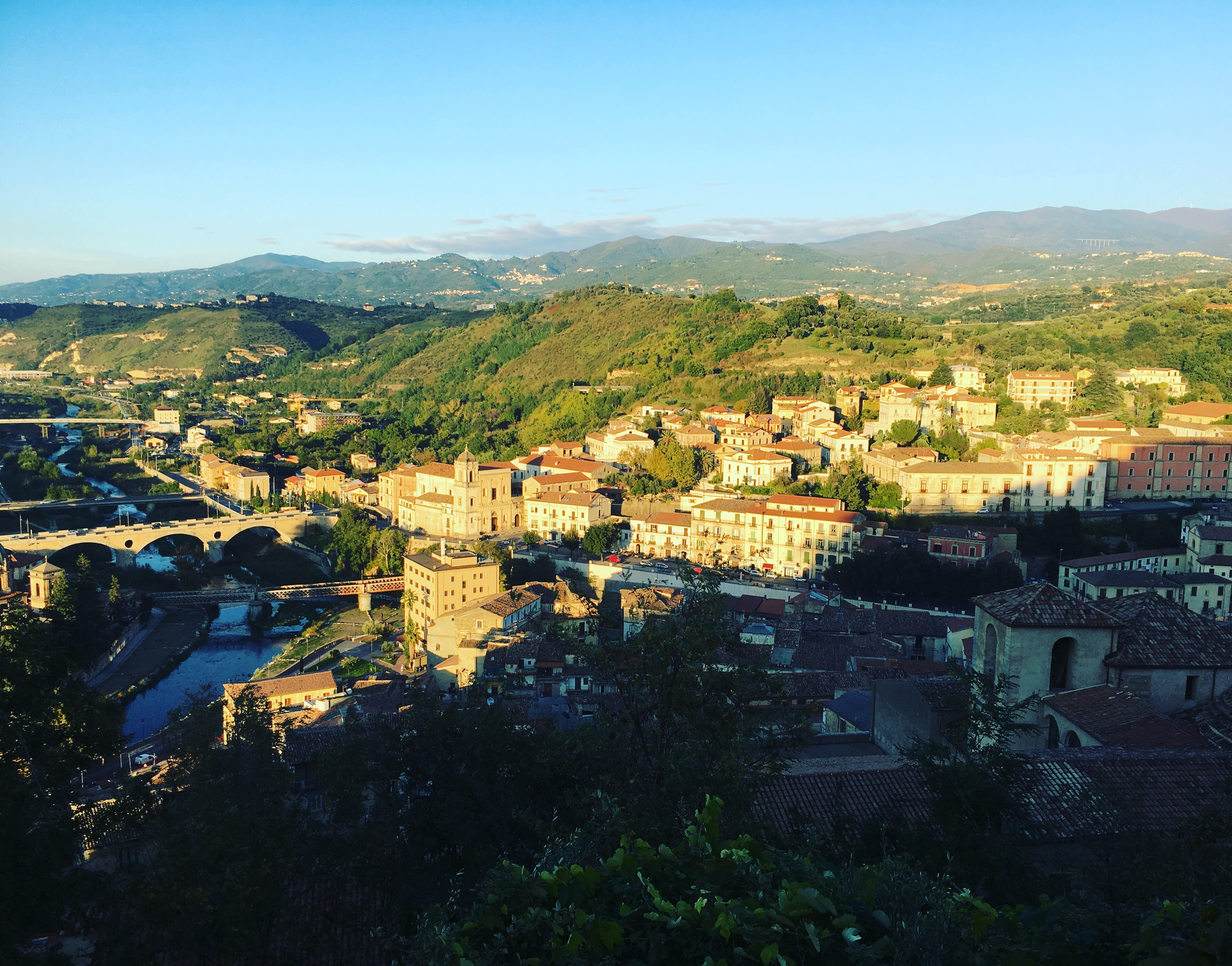
Cosenza in the Calabrian region–the homeland of my mother’s side of the family. Her grandfather left this beautiful little town to start a new life in America, passing through New York City before settling in Northen Minnesota to work in the iron mines. As the story goes, all he brought with him was two potatoes, one in each shoe, and one grape stem from the family vineyard hidden in his pant leg. He was alone and determined–working hard and saving up money so that he could send for his wife back home. Since then, our family has grown and spread all over the United States but a large number of us still reside back home in Calabria. 

This journey so far has had a number of travel woes, usual tourist attractions, and delicious food–but the real magic starts wth the rediscovery of our family heritage and meeting, for the first time, our Italian relatives. We met a few of them already in Bologna, but in Cosenza we had the pleasure of meeting the patriarch of the family. Related by blood, he is the nephew of my great grandfather who left for America–my mother’s second cousin. He was a spunky and calm man who was nothing but smiles! I had never met my grandfather as he passed away before I was born, but I have seen pictures and heard recordings of his voice and his nephew is the spitting image. He only spoke in Italian, but we were able to learn a bit about his life.

He has traveled all over the world in his life, talking excitedly about the work he did in Nicaragua and Mexico, about how he visited New York and telephoned my great grandfather in Minnesota, and how he even participated in a war in Saudia Arabia–showing us a black and white picture of him as a young man reminiscent of Lawrence of Arabia. He was also a delightful little trouble-maker who kept stealing everyone’s wine glasses to refill with the family’s own homemade bottle of red and white as well as a brandy made from the family grapes!

We enjoyed a 7 course meal (pasta with meat sauce and Parmesan, salad, breaded veal, fried potatoe chips, broccolitini, fruit, and pastries paired with a long shot of coffee steeped in sugar!) and spent hours communicating with our extended family. With my great grandfather’s nephew at the head of the table, we also met his two daughters and their husbands as well as the father of one of his son-in-laws. There wasn’t much English to go around the table but we made do with Google Translate. Some of the highlights of our conversation included a detailed explanation about George Clooney and his Nespresso commercial–Italians have taken interest and were curious what his involvement was and what the catchphrase “What Else?” meant. They discussed Whiskey and what they knew of Jack Daniels and one of the husbands hilariously showed us a picture of The Duke’s of Hazard–I’m happy to say that America is clearly representing itself well abroad! 

After dinner and conversation, they brought out the old photo albums and we were able to see how our entire family.

Next, we head to the country to discover where my great grandfather lived!